
Heavener Runestone & Spiro Mounds: A History Day
· 4 min read · Jeff Williams, Panorama Ranch
Last updated
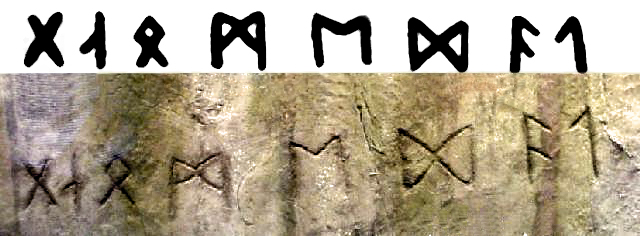
A gray February day is perfect for two of eastern Oklahoma's great mysteries: the runes on Poteau Mountain and the ancient mounds at Spiro.
The Heavener Runestone is a big sandstone slab on Poteau Mountain carved with eight runic markings. It sits in a free, 55-acre park just outside Heavener, Oklahoma, 16 miles by road from Panorama Ranch. Pair it with the Spiro Mounds Archaeological Center, 49 miles away, for a full day of LeFlore County history.
Key takeaways
- Heavener Runestone Park is open 8 a.m. to dark, and admission is free (donations appreciated).
- The park's researchers read the eight runes as Elder Futhark, possibly carved between 600 and 800 AD, though the origin is still debated.
- Spiro Mounds is the only prehistoric American Indian archaeological site in Oklahoma open to the public: 150 acres and 12 mounds on the Arkansas River.
- February is a good time for both. Bare trees open up the views, and the trails are quiet.
What is the Heavener Runestone?
I've lived around this country a long time, and the runestone still makes me stop and wonder. According to Heavener Runestone Park, the stone carries eight markings that many researchers believe are Elder Futhark runes, the old Scandinavian alphabet. They're commonly read as "Gnomedal" or "Glomedal," meaning "Little Valley" or "Valley owned by Glome." The park now describes it as a likely boundary marker or land claim rather than a date.
Not everybody agrees. Over the years people have floated theories about Vikings, the Irish, the French, Egyptians and the Knights Templar. The park takes a sensible approach: it shares the research and lets you make up your own mind.
How the runestone became a park
The park's history page says a Heavener girl named Gloria Farley first saw the stone as a child in the 1920s. She came back in the 1950s and spent much of her life researching it. TravelOK adds that, according to oral history, a Choctaw hunting party may have found it in the 1830s. Herbert Ward donated the original 55 acres, and the land became a state park in 1970. In 2011 ownership passed to the City of Heavener. Today a local nonprofit, Friends of Heavener Runestone, Inc., keeps it open. The Oklahoma Historical Society's Encyclopedia of Oklahoma History and Culture has more background.
Visiting Heavener Runestone Park
- Hours: park open 8 a.m. to dark. The gift shop is open 9 a.m.–5 p.m. from October 1 to February 28 and 10 a.m.–6 p.m. from March 1 to September 30 (Heavener Runestone Park).
- Admission: free, with donations appreciated.
- Trails: a little over 2 miles of hiking trails, a scenic overlook of Heavener, and a seasonal waterfall that runs best after winter and spring rains.
- Dogs: welcome on a leash.
In winter the trees are bare, so the overlook opens up and you can see across the valley. Wear shoes with grip, since the rocks stay damp in the shade.
Spiro Mounds Archaeological Center
If the runestone gets you thinking about who was here before us, Spiro will answer some of it. The Oklahoma Historical Society calls Spiro Mounds "the only prehistoric American Indian archaeological site in Oklahoma open to the public" and one of the most important American Indian sites in the nation.
What you'll see at Spiro
- 150 acres on a bend of the Arkansas River, protecting 12 mounds, the elite village area and part of the support city.
- Nearly two miles of interpreted trails, including a half-mile nature trail. The trails are reached only through the visitor center, so plan around its hours.
- A visitor center with exhibits and a historian on site. OHS notes that many artifacts are being repatriated under NAGPRA, so some items may be covered or off display.
The history in a nutshell
OHS says Spiro became a permanent settlement around AD 800 and was used until about AD 1450. Its leaders built trade and religious ties reaching from the Gulf of Mexico to the Great Lakes. The Spiro people are believed to have been Caddoan speakers. Looting in the 1930s led Oklahoma to become one of the first states to protect archaeological sites. The site was added to the National Register of Historic Places in 1969 and opened to the public on May 9, 1978.
Guided tours are available by appointment when staff are free. Call ahead (918-962-2062) if you want one, and check the OHS page for current hours and admission.
A February history day from the ranch
Here's a route that works well:
- Morning: drive 16 miles to Heavener Runestone Park, walk the trail to the stone and the overlook, and visit the gift shop.
- Lunch: in Heavener (15 mi from the ranch) or Poteau (25 mi).
- Afternoon: head north to Spiro Mounds, 49 miles from the ranch, and walk the mound trails while the light is low and golden.
- Optional: history buffs can add the Fort Smith National Historic Site across the Arkansas line, 55 miles from the ranch.
If the weather turns nice, our Talimena Scenic Drive in winter post covers the byway, and by March the fish start moving. See our guide to crappie fishing on Wister Lake.
Quick facts
- Heavener Runestone Park: 16 mi from Panorama Ranch, 18365 Runestone Rd, Heavener, OK. Free. Open 8 a.m. to dark. runestonepark.com
- Spiro Mounds Archaeological Center: 49 mi from the ranch, northeast of Spiro, four miles north of US-271. Operated by the Oklahoma Historical Society. okhistory.org/sites/spiromounds
- Best season: late fall through early spring, when the trees are bare and the trails are quiet
- County: both are in LeFlore County, Oklahoma
Stay in the middle of it
Panorama Ranch is a 4-bedroom, 2-bath house near Wister that sleeps up to 8 (one on the couch). It has a stocked bass pond and hilltop views, and it puts both of these sites within an easy drive. See our nearby attractions for more.
Panorama Ranch opens for direct bookings January 15, 2027; reserve your dates at [panoramaranch.us](https://panoramaranch.us/#book).
Questions
Is the Heavener Runestone free to visit?
Yes. Heavener Runestone Park says admission is free and donations are appreciated. The park is open from 8 a.m. until dark, and the gift shop keeps seasonal hours. It sits at 18365 Runestone Road outside Heavener, Oklahoma, 16 miles by road from Panorama Ranch, and has a little over two miles of trails.
What does the Heavener Runestone say?
The eight runes are commonly translated as "Gnomedal" or "Glomedal," meaning "Little Valley" or "Valley owned by Glome." Heavener Runestone Park says many researchers believe they are Elder Futhark runes carved between 600 and 800 AD and likely mark a boundary or land claim, though the stone's origin is still debated.
Who discovered the Heavener Runestone?
Heavener resident Gloria Farley encountered the stone as a child in the 1920s and spent much of her life researching it, according to the park. TravelOK notes that oral history says a Choctaw hunting party may have found it in the 1830s. It became a state park in 1970 and is now owned by the City of Heavener.
What is Spiro Mounds known for?
The Oklahoma Historical Society calls Spiro Mounds the only prehistoric American Indian archaeological site in Oklahoma open to the public. Its 150 acres on the Arkansas River protect 12 mounds. Spiro was settled around AD 800 and used until about AD 1450, with trade ties from the Gulf of Mexico to the Great Lakes.